
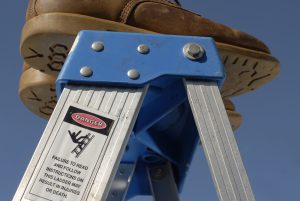
A ladder accident on a New York City construction site can leave a worker facing serious injuries, mounting medical bills, and months or years without income. At Hill & Moin LLP, our New York City ladder accident lawyers represent construction workers injured in falls involving unstable ladders, defective equipment, and unsafe working conditions.
New York has specific laws protecting construction workers from elevation-related hazards. Depending on the circumstances, injured workers may be entitled to compensation beyond the benefits available through workers’ compensation.
For more than 45 years, Hill & Moin LLP has represented injured New Yorkers, including workers hurt in ladder falls and other construction accidents. Our attorneys investigate job-site conditions, identify potentially responsible parties, and pursue compensation for medical expenses, lost earnings, pain and suffering, and long-term injuries.
Injured in a construction ladder accident? Call Hill & Moin LLP at (212) 668-6000 for a free consultation. Our attorneys can evaluate your case and explain your legal options.
Ladder Accident Settlements and Recoveries by Hill & Moin LLP
Hill & Moin LLP has obtained significant recoveries for workers injured in ladder accidents and other elevation-related incidents.
Examples of the firm’s reported results include:
- $13 million recovery for a worker injured in a ladder fall.
- $3.5 million settlement for a plumber injured after falling from a ladder.
- $3.5 million recovery involving a window cleaner’s fall.
- $1.125 million settlement for a laborer injured in a ladder fall during renovation work.
These results demonstrate the potentially serious consequences of construction falls and the importance of investigating every available source of compensation.
Every case is different. Past results do not guarantee a similar outcome.
Why Ladder Accidents Are Dangerous on NYC Construction Sites
Construction workers regularly use ladders to access elevated work areas, install electrical systems, paint, repair structures, and perform renovation work.
A ladder that shifts, collapses, or lacks adequate support can cause a worker to fall onto concrete, construction materials, machinery, or lower working levels.
Falls remain a leading cause of fatal injuries in the construction industry. The U.S. Bureau of Labor Statistics recorded 1,034 construction worker fatalities nationwide in 2024, including 389 deaths involving falls, slips, and trips.
Workers particularly exposed to ladder-related hazards include:
- Electricians and plumbers
- Painters and drywall installers
- Carpenters and construction laborers
- Roofers and renovation workers
- Building maintenance workers
- Window cleaners performing covered construction-related work
A fall does not need to occur from a great height to cause a serious injury. Even relatively short falls can result in fractures, traumatic brain injuries, or permanent disabilities.
New York Labor Laws Protecting Workers Injured in Ladder Accidents
New York Labor Law provides important protections for workers injured during qualifying construction, demolition, renovation, repair, and other covered activities.
Three provisions frequently arise in construction ladder accident claims: Labor Law §§ 200, 240(1), and 241(6).
Labor Law § 240(1): New York’s Scaffold Law
New York Labor Law § 240(1), commonly called the Scaffold Law, requires covered property owners, contractors, and their agents to provide appropriate safety devices for certain elevation-related work.
These devices include ladders, scaffolds, hoists, and other equipment necessary to protect workers from gravity-related hazards.
A claim may arise when:
- A ladder shifts or slips because it was inadequately secured.
- A ladder collapses while being used for covered work.
- An inadequate ladder is provided for an elevated task.
- A worker falls because required elevation-related protection was missing or insufficient.
When the statute applies and a violation causes the injury, an owner or contractor may face strict liability without the ordinary comparative-negligence reduction. However, not every ladder fall automatically establishes a § 240(1) violation.
The type of work, circumstances of the fall, adequacy of the safety devices, and cause of the accident must be evaluated.
The statute also contains an exception for owners of one- and two-family dwellings who contract for work but do not direct or control it.
Labor Law § 241(6): Construction Site Safety Regulations
Labor Law § 241(6) requires covered owners and contractors to comply with applicable construction safety regulations.
These requirements are found in the New York State Industrial Code, including provisions governing ladders, equipment, and workplace conditions.
A § 241(6) claim generally requires identifying an applicable, sufficiently specific Industrial Code provision that was violated and demonstrating that the violation contributed to the injury.
Unlike a § 240(1) claim, comparative negligence may affect the compensation recoverable under § 241(6).
Labor Law § 200: General Workplace Safety
Labor Law § 200 addresses the duty to provide reasonably safe working conditions.
In ladder accident cases, this provision may apply when an injury results from:
- Dangerous conditions at the construction site.
- Unsafe work methods or equipment.
- Failure to correct hazards that responsible parties knew or should have known about.
Liability depends on the circumstances. Claims involving dangerous premises conditions are analyzed differently from those involving the manner in which work was performed, including questions of notice, supervision, and control.
At Hill & Moin LLP, our construction accident attorneys evaluate the applicable Labor Law provisions to determine which legal claims may be available.
Common Causes of Construction Ladder Accidents
Many ladder accidents involve unsafe equipment, inadequate setup, or preventable hazards.
Common causes include:
- Unsecured ladders: Ladders that slide, tip, or shift while workers are climbing or performing tasks.
- Uneven or slippery surfaces: Improper ladder placement on unstable ground, wet flooring, or construction debris.
- Defective equipment: Broken rungs, damaged rails, faulty locking mechanisms, or worn ladder feet.
- Improper ladder selection: Using a ladder that is too short, unsuitable for the task, or incapable of supporting the intended load.
- Missing safety equipment: Failure to provide appropriate devices for elevation-related work.
- Unsafe work areas: Congested pathways, inadequate lighting, and moving equipment near ladders.
- Improper training: Workers assigned ladder-related tasks without appropriate safety instruction.
- Electrical hazards: Metal ladders or other equipment positioned near energized electrical systems.
Determining exactly why a ladder accident occurred is essential to identifying potential violations and responsible parties.
OSHA Ladder Safety Requirements on Construction Sites
The Occupational Safety and Health Administration establishes ladder safety standards for construction work under 29 CFR 1926.1053.
Depending on the ladder and its intended use, applicable requirements include:
- Placing ladders on stable, level surfaces unless secured against displacement.
- Setting non-self-supporting ladders at the proper angle, generally following the 4-to-1 positioning rule.
- Ensuring portable ladders used to access upper landings extend at least three feet above the landing, or using the specified alternative protections.
- Keeping ladder rungs and steps free of slipping hazards.
- Inspecting ladders for visible defects as required and removing defective equipment from service.
- Preventing ladders from being displaced by workplace traffic or activities.
- Keeping the areas around ladder access points clear.
- Providing required training on ladder hazards and safe use.
An OSHA violation may provide important evidence when investigating a ladder accident. However, an OSHA violation does not automatically establish liability under New York Labor Law.
Our attorneys examine applicable federal and state safety requirements when evaluating construction injury claims.
Defective Ladder Accidents and Product Liability Claims
Some ladder accidents occur because the equipment itself is defective.
A ladder may appear safe but fail during normal use because of a manufacturing defect, unsafe design, or inadequate warnings.
Potential defects include:
- Cracked or weakened ladder rails.
- Broken rungs or steps.
- Faulty locking mechanisms.
- Defective spreader bars on stepladders.
- Damaged or improperly designed non-slip feet.
- Structural failures involving extension ladders.
When defective equipment causes an injury, a worker may have a product liability claim against the manufacturer or another responsible party.
These claims can exist alongside applicable Labor Law claims.
Preserving the ladder is particularly important. Repairing, discarding, or returning damaged equipment before it can be examined may result in the loss of critical evidence.
Who Can Be Held Liable for a Ladder Accident in New York?
Construction projects often involve several companies with different responsibilities for equipment, supervision, and workplace safety.
Depending on the circumstances, potentially liable parties may include:
- Property owners: Owners subject to applicable Labor Law duties.
- General contractors: Contractors responsible under applicable statutory or common-law requirements.
- Subcontractors: Companies whose conduct, authority, or equipment contributed to the accident.
- Equipment manufacturers: Businesses responsible for defective ladder design or manufacturing.
- Equipment suppliers or rental companies: Parties whose negligence or defective products contributed to the injury.
- Other third parties: Individuals or businesses whose negligence caused or contributed to the accident.
Responsibility cannot be determined solely from a company’s job title. The applicable law, contractual relationships, control over the work, and circumstances of the accident all matter.
Hill & Moin LLP investigates these relationships to identify the parties against whom a valid claim may be pursued.
Workers’ Compensation vs. a Construction Ladder Accident Lawsuit
A construction worker injured on the job may qualify for workers’ compensation benefits. However, workers’ compensation is not necessarily the only available source of recovery.
Workers’ Compensation Benefits
New York workers’ compensation generally provides eligible injured employees with:
- Medical treatment related to the workplace injury.
- Partial wage replacement during qualifying periods of disability.
- Certain disability benefits.
- Death benefits for eligible surviving family members.
Workers’ compensation generally does not compensate injured workers for pain and suffering.
In most circumstances, workers’ compensation also prevents an employee from bringing an ordinary personal injury lawsuit directly against their employer.
Third-Party Construction Accident Lawsuits
A separate personal injury lawsuit may be available against a legally responsible party other than the injured worker’s employer.
Depending on the facts, this may include a property owner, contractor, equipment manufacturer, or another third party.
A successful lawsuit may provide compensation for damages not available through workers’ compensation, including pain and suffering and broader lost-earnings claims.
Can You Receive Workers’ Compensation and File a Lawsuit?
Yes. In appropriate cases, an injured construction worker may receive workers’ compensation benefits while pursuing a third-party personal injury claim.
However, workers’ compensation liens, reimbursement rights, and other legal requirements can affect how the two claims interact.
An attorney can evaluate both claims and explain how a potential settlement may affect workers’ compensation benefits.
Injuries Caused by Construction Ladder Falls
Ladder falls can cause serious injuries that require surgery, rehabilitation, and long-term medical care.
Common injuries include:
- Traumatic brain injuries: Concussions and more severe head injuries that may affect memory, concentration, and daily functioning.
- Spinal cord injuries: Damage that may cause chronic pain, mobility limitations, or paralysis.
- Neck and back injuries: Herniated discs, fractures, and other conditions that interfere with physical work.
- Broken bones: Fractures involving the wrists, arms, legs, hips, and pelvis.
- Shoulder and knee injuries: Torn ligaments, joint damage, and other injuries requiring rehabilitation.
- Internal injuries: Damage to organs or internal bleeding following a serious fall.
- Permanent disabilities: Lasting physical limitations that prevent a return to construction work.
Some injuries are not immediately apparent after an accident. Prompt medical evaluation helps protect a worker’s health and document the resulting harm.
Compensation Available After a Construction Ladder Accident
The compensation available after a ladder accident depends on the nature of the claim, the injuries sustained, and the parties legally responsible.
In a qualifying personal injury lawsuit, recoverable damages may include:
- Medical expenses: Hospital treatment, surgery, rehabilitation, medication, and future medical care.
- Lost wages: Income lost while recovering from the accident.
- Reduced earning capacity: Financial losses when an injury prevents a return to previous employment.
- Pain and suffering: Physical pain and emotional consequences of the injury.
- Permanent disability: The financial and personal effects of long-term physical limitations.
- Loss of enjoyment of life: The impact of injuries on daily activities and quality of life.
- Wrongful death damages: Compensation available to eligible parties when a fatal accident supports a wrongful death claim.
The amount recoverable depends on the evidence, applicable law, and circumstances of the individual case.
At Hill & Moin LLP, our attorneys evaluate both immediate losses and the long-term consequences of serious construction injuries.
Evidence Needed to Prove a Ladder Accident Claim
Strong evidence can help establish how a ladder accident occurred, whether safety requirements were violated, and who may be responsible.
Important evidence may include:
- Photographs of the ladder and accident scene.
- The ladder itself, preserved in its post-accident condition.
- Witness statements from coworkers or supervisors.
- Construction site inspection and safety records.
- Accident reports and available surveillance footage.
- Relevant OSHA investigation findings.
- Equipment maintenance and rental records.
- Medical records documenting injuries and treatment.
- Employment records showing lost wages.
- Expert analysis of ladder defects or unsafe working conditions.
Evidence may disappear quickly when equipment is moved, construction continues, or surveillance recordings are overwritten.
An early investigation can help preserve information necessary to support a claim.
What to Do After a Ladder Accident on a NYC Construction Site
Taking appropriate steps after a ladder fall can protect your health and help preserve your legal rights.
- Seek medical attention immediately. Get evaluated for head, neck, spinal, and other injuries, even if symptoms initially appear minor.
- Report the accident to your employer. Provide written notice and keep a copy when possible.
- Document the scene. Photograph the ladder, surrounding conditions, equipment, and visible hazards if you can do so safely.
- Identify witnesses. Obtain contact information from coworkers or others who observed the accident.
- Preserve equipment information. Record the ladder’s manufacturer, model, condition, and location. Do not alter damaged equipment.
- Keep medical and employment records. Save treatment documents, bills, wage information, and communications concerning the accident.
- Protect your filing deadlines. New York workers’ compensation generally requires notice to the employer within 30 days and filing a claim with the Workers’ Compensation Board within two years, subject to applicable exceptions.
- Speak with a construction accident attorney. An attorney can investigate potential Labor Law claims and determine whether a third-party lawsuit is available.
Why Choose Hill & Moin LLP for Your Ladder Accident Case?
Hill & Moin LLP has represented injured New Yorkers for more than four decades, including workers injured in serious construction accidents and falls from elevated work areas.
Our attorneys understand that a ladder accident can affect far more than a worker’s immediate medical condition. A serious injury may prevent someone from returning to a physically demanding job, create financial uncertainty, and require years of ongoing treatment.
When handling ladder accident claims, our attorneys focus on:
- Investigating construction site conditions: Examining equipment, accident reports, safety procedures, and available evidence.
- Evaluating New York Labor Law claims: Determining whether §§ 200, 240(1), or 241(6) apply.
- Identifying responsible parties: Investigating property owners, contractors, equipment suppliers, and other potentially liable parties.
- Documenting damages: Assessing medical expenses, lost earnings, and the long-term effects of serious injuries.
- Negotiating and litigating claims: Pursuing appropriate compensation through settlement negotiations or litigation when necessary.
Our firm also handles related construction accident claims and scaffolding accident cases throughout New York City.
Frequently Asked Questions About Ladder Accidents in New York
Ladder accident claims often involve questions about construction safety laws, workers’ compensation, and who may be legally responsible. The answers below explain important issues for injured workers in New York City.
Can I sue after falling from a ladder at work in New York?
You may be able to file a personal injury lawsuit against a property owner, contractor, equipment manufacturer, or another legally responsible third party. Whether you have a claim depends on the circumstances of the accident and the applicable law. Workers’ compensation generally limits lawsuits against your direct employer.
Does New York Labor Law § 240(1) apply to every ladder accident?
No. Labor Law § 240(1) applies to qualifying elevation-related hazards during specified work activities. A worker must establish that the statute applies and that a violation caused the injury. Not every fall from a ladder automatically qualifies.
Can I recover compensation if I was partly responsible for the ladder accident?
Possibly. New York Labor Law § 240(1) may impose strict liability when its requirements are satisfied, although defenses such as the worker being the sole proximate cause can arise. In other negligence-based claims, comparative fault may reduce compensation.
Can union and non-union construction workers file ladder accident claims?
Yes. Both union and non-union workers may qualify for applicable Labor Law protections. Eligibility depends on the work performed, accident circumstances, and other legal requirements rather than union membership alone.
Can I sue if the ladder was provided by my employer?
Possibly. Workers’ compensation generally limits direct lawsuits against an employer, but a separate claim against a property owner, contractor, or another responsible third party may still be available. The source of the ladder does not, by itself, determine liability.
What if I fell from a ladder while renovating a residential property?
A claim may still be possible. However, Labor Law §§ 240(1) and 241(6) contain an exception for certain owners of one- and two-family dwellings who do not direct or control the work. The nature of the property, the owner’s involvement, and the work being performed must be evaluated.
How long do I have to file a ladder accident lawsuit in New York?
Most personal injury lawsuits arising from ladder accidents must be filed within three years of the injury. However, exceptions apply, and claims involving government entities may have much shorter notice and filing deadlines. Workers’ compensation claims have separate requirements, including the general 30-day employer notice and two-year claim filing deadlines.
Can I receive workers’ compensation and sue a third party?
Yes, when a valid third-party claim exists. Workers’ compensation may provide medical and wage benefits while a separate lawsuit seeks additional damages. Reimbursement rights and liens may affect the final recovery.
What if the ladder was defective?
If a defective design, manufacturing problem, or inadequate warning contributed to the accident, a product liability claim may be available against the manufacturer or another responsible party. Preserving the ladder is important for investigating potential defects.
How much is my NYC ladder accident case worth?
There is no standard settlement amount. The value of a case depends on the severity of the injuries, medical expenses, lost income, future care needs, liability, and available evidence. An attorney can evaluate these factors based on the circumstances of your accident.
How much does it cost to hire Hill & Moin LLP?
Hill & Moin LLP offers free consultations and handles personal injury claims on a contingency-fee basis. Attorney fees are generally payable only if compensation is recovered, subject to the terms of the representation agreement.
Speak With a New York City Ladder Accident Lawyer
If you were injured after falling from a ladder on a construction site, Hill & Moin LLP can help you understand your rights under New York Labor Law and determine whether you may be entitled to compensation beyond workers’ compensation benefits.
Our attorneys represent injured workers throughout Manhattan, Brooklyn, Queens, the Bronx, Staten Island, and surrounding New York communities.
Call Hill & Moin LLP at (212) 668-6000 today for a free consultation. Learn how our New York City construction ladder accident lawyers can help you pursue compensation for your injuries.