)
A spinal injury can change everything in an instant — how a person walks, works, cares for their family, and experiences daily life. Some spinal injuries heal with time and treatment; others result in permanent paralysis and a lifetime of specialized care. In every case, when someone else’s negligence caused the injury, New York law entitles the injured person to full compensation, not just for today’s medical bills, but for every future cost the injury will create.
For more than 45 years, Hill & Moin LLP has represented victims of catastrophic spinal injuries throughout New York City, recovering significant compensation across cases involving falls, construction accidents, and vehicle collisions, including a $13 million recovery for a serious fall injury and additional six- and seven-figure settlements for clients who suffered fractured vertebrae, herniated discs, and other serious back and spine injuries in workplace and premises accidents. We understand that a spine injury case isn’t just about proving fault — it’s about documenting exactly what an injured person’s life will require for decades to come.
If you or a loved one suffered a spinal injury due to someone else’s negligence, call (212) 668-6000 for a free, 24/7 consultation. There is no fee unless we win.
Spinal Injuries Remain a Life-Altering, Costly Public Health Burden
Spinal cord injuries are relatively rare compared to other traumatic injuries, but their impact on an individual’s life — and their cost — is often unmatched by almost any other type of injury.
- The National Spinal Cord Injury Statistical Center (NSCISC) estimates approximately 18,400 to 18,500 new traumatic spinal cord injuries occur in the United States every year, equal to roughly 54 cases per one million people.
- An estimated 305,000 to 311,000 people are currently living with a traumatic spinal cord injury in the United States, according to the most recent NSCISC data.
- NSCISC data shows that motor vehicle crashes remain the leading cause of traumatic spinal cord injury, followed by falls, acts of violence, and sports or recreational activities — a pattern that has remained consistent for more than a decade.
- Men account for roughly 78% of new spinal cord injury cases, and the average age at injury has risen to approximately 44 years old, up significantly from an average of 29 in the 1970s.
- The financial toll is staggering: NSCISC data shows first-year healthcare and living costs alone can exceed $1.2 million to $1.4 million for high tetraplegia (C1–C4), with lifetime direct medical costs for a 25-year-old with this injury level potentially exceeding $5 million — figures that do not include lost wages, lost productivity, or pain and suffering.
- Even less severe spinal cord injuries carry enormous long-term costs: NSCISC estimates place first-year costs for paraplegia at roughly $518,000, with recurring annual costs of approximately $69,000 for the rest of the person’s life.
These figures make clear why spinal injury cases require attorneys who understand not just how to prove liability, but how to properly document and project a lifetime of medical, personal care, and lost income needs. An experienced catastrophic injury lawyer can help ensure nothing is left out of your claim.
Understanding the Different Types of Spinal Injuries
Spinal injuries range widely in severity, and understanding the specific type of injury involved is essential to both medical treatment and legal strategy.
Spinal Cord Injuries
A spinal cord injury involves damage to the bundle of nerves running through the spinal column that carries signals between the brain and the rest of the body. Depending on the location and severity of the damage, a spinal cord injury can cause anything from temporary numbness to permanent, total paralysis.
Complete vs. Incomplete Spinal Cord Injuries
- A complete spinal cord injury results in total loss of sensation and motor function below the level of injury, since all communication between the brain and the body below that point is severed.
- An incomplete spinal cord injury involves partial damage, meaning some sensation, movement, or function may remain below the injury site. Incomplete injuries are currently the most common category of spinal cord injury and can still result in significant, lasting disability even though some function is preserved.
Paralysis: Tetraplegia and Paraplegia
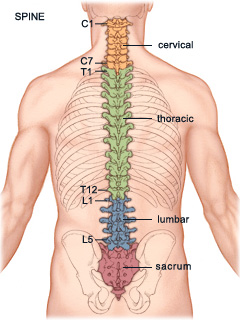
- Tetraplegia (quadriplegia) results from injuries to the cervical (neck) region of the spine and affects all four limbs, along with, in the most severe cases, the muscles needed for breathing.
- Paraplegia results from injuries to the thoracic, lumbar, or sacral regions of the spine and affects the lower body, while arm and hand function typically remains intact.
Herniated Discs
A herniated, or “slipped,” disc occurs when the soft cushioning material between vertebrae is pushed out of place, often pressing on nearby nerves. This can cause significant pain, numbness, and weakness, and while less catastrophic than a spinal cord injury, a severe herniated disc can require surgery and cause long-term, sometimes permanent, impairment.
Fractured Vertebrae
A vertebral fracture occurs when one or more of the bones making up the spinal column breaks, often from a fall, direct impact, or violent force during a vehicle collision. Depending on the fracture’s severity and location, it may be stable and heal with conservative treatment, or it may be unstable and place the spinal cord itself at risk of further, more serious injury.
Nerve Damage
Spinal nerve damage can result from direct trauma, compression from a herniated disc or fractured vertebra, or swelling around the spinal cord. Nerve damage can cause chronic pain, numbness, tingling, and muscle weakness that persists long after the initial injury has otherwise healed.
Chronic Back Injuries
Not every serious spine injury shows up dramatically on imaging immediately after an accident. Chronic back injuries, including soft tissue damage, ligament injuries, and degenerative changes accelerated by trauma, can cause long-term pain and disability, and are frequently minimized by insurance companies despite their real and lasting impact on a person’s ability to work and function.
Symptoms, Diagnosis, Treatment, and Rehabilitation
Symptoms of a spinal injury can range from mild and temporary to severe and permanent, and may include:
- Pain, stiffness, or pressure in the neck or back
- Numbness, tingling, or loss of sensation in the arms, hands, legs, or feet
- Muscle weakness or paralysis
- Loss of bladder or bowel control
- Difficulty breathing, in the most severe cervical spine injuries
- Loss of balance or coordination
Diagnosis typically begins with a physical and neurological examination, followed by imaging such as X-rays, CT scans, and MRI to assess the vertebrae, discs, and spinal cord itself. Because some soft tissue and nerve injuries don’t appear clearly on initial imaging, ongoing clinical evaluation and, in some cases, electromyography (EMG) or nerve conduction studies may be necessary to fully assess the extent of nerve involvement.
Treatment varies enormously by injury type and severity, and can include emergency spinal stabilization, surgery (such as spinal fusion or decompression), pain management, and, for spinal cord injuries, ongoing critical care to manage complications like respiratory issues, blood pressure instability, and infection risk.
Rehabilitation for serious spinal injuries is typically intensive and long-term, often including physical therapy, occupational therapy, and, for those with paralysis, training in the use of wheelchairs, adaptive equipment, and assistive technology to maximize independence. Advances in neuroplasticity research have shown that meaningful recovery can continue well beyond the first year after injury, making sustained access to quality rehabilitation especially important — and especially expensive.
Long-Term Complications and Lifelong Care Needs
Serious spinal cord injuries frequently involve complications that extend far beyond the initial injury, including:
- Chronic pain, which can persist indefinitely and require ongoing pain management
- Pressure injuries (bedsores), a common and serious complication for those with limited mobility
- Respiratory complications, particularly for higher-level cervical injuries affecting breathing muscles
- Bladder and bowel dysfunction, often requiring lifelong management strategies
- Increased risk of infections, including urinary tract infections and pneumonia, which remain among the leading causes of death for people living with spinal cord injuries
- Secondary musculoskeletal issues, including muscle atrophy and joint problems from reduced mobility
- Psychological impact, including depression and anxiety associated with a sudden, life-altering disability
Because these complications can require ongoing medical management, home health care, equipment replacement, and periodic hospitalization for the rest of a person’s life, an accurate life care plan — prepared by qualified medical and rehabilitation experts — is essential to any serious spinal injury claim.
Common Causes of Spinal Injuries in New York
Spinal injuries can result from a wide range of accidents, and identifying the cause is central to identifying who is legally responsible. We regularly handle spine injury cases arising from:
- Car accidents, where the sudden force of a collision can fracture vertebrae or cause whiplash-related soft tissue and disc injuries
- Truck accidents, where the size and force involved often produce more severe spinal trauma than passenger vehicle collisions alone
- Construction accidents, including falls from scaffolding, ladders, and other elevated surfaces, and being struck by falling objects or heavy equipment
- Falls from heights, a leading cause of severe spinal cord injury, particularly in construction and industrial settings
- Slip and fall accidents, including falls on stairs, sidewalks, and other hazardous premises
- Workplace accidents beyond construction, including warehouse, industrial, and retail settings
- Pedestrian accidents, where a person struck by a vehicle can suffer both direct impact trauma and secondary injury from the fall itself
If your spinal injury resulted from a construction accident, our construction accident team can help you understand your rights under New York Labor Law §§ 240(1) and 241(6). If a fall from a ladder or down a stairway caused your injury, our ladder accident and stairway accident attorneys can help investigate exactly what failed. If a vehicle was involved, our motor vehicle accident team can help identify every liable party.
Evidence Needed to Prove Liability in a Spinal Injury Case
Because spinal injuries — particularly disc, nerve, and soft tissue injuries — are frequently disputed or minimized by insurance companies, building a strong claim requires careful, thorough evidence, including:
- Accident scene evidence, including photographs, witness statements, and available surveillance footage
- Emergency medical records, including EMS reports and initial imaging
- Diagnostic imaging, including X-rays, CT scans, and MRIs documenting the specific vertebral, disc, or nerve damage involved
- Surgical and treatment records, documenting every intervention required to stabilize and treat the injury
- Expert testimony from orthopedic surgeons, neurosurgeons, and physiatrists, explaining the injury’s mechanism, prognosis, and expected course
- Life care planner analysis, projecting the full scope of future medical care, equipment, home modifications, and personal assistance the injured person will need
- Vocational expert analysis, establishing how the injury has affected, or will affect, the person’s ability to work and earn income
- Testimony from family members and coworkers, describing the injury’s day-to-day impact on the person’s life and independence
The Role of Medical Specialists and Life Care Planners
Serious spinal injury cases are almost always decided by expert testimony. Treating orthopedic surgeons, neurosurgeons, and physiatrists establish the diagnosis, treatment course, and prognosis, while retained experts help translate that medical picture into a claim that accurately reflects its true value. Life care planners, in particular, play a central role in catastrophic spinal injury cases, since they develop detailed, itemized projections of every future cost an injured person will face, from surgeries and rehabilitation to wheelchair replacement, home health aides, and accessible housing modifications. Because insurance companies routinely retain their own experts to argue that an injured person needs less care than their treating physicians recommend, having credible, well-qualified experts on your side is often the single greatest factor in securing a fair, full settlement or verdict.
Comparative Negligence in Spinal Injury Claims
New York follows a “pure comparative negligence” rule, meaning an injured person can still recover compensation even if they were partly at fault for the accident that caused their spinal injury, though their total recovery is reduced by their assigned percentage of responsibility. Insurance companies frequently attempt to shift blame onto the injured person, particularly in slip and fall or workplace accident cases. An experienced attorney can push back on these arguments and ensure that a defendant’s negligence, not the injured person’s conduct, is properly recognized as the true cause of the injury.
Compensation Available in a Spinal Injury Case
Given the catastrophic and often permanent nature of serious spinal injuries, compensation in a New York spinal injury case must account for a lifetime of needs, not just the immediate aftermath of the accident. Depending on the facts of your case, compensation may include:
- Past and future medical expenses, including surgery, hospitalization, and ongoing specialist care
- Rehabilitation costs, including physical therapy, occupational therapy, and adaptive equipment training
- Home modifications, including wheelchair accessibility renovations, ramps, and bathroom modifications
- Past and future lost earnings and diminished earning capacity, particularly significant for spinal cord injuries that prevent a return to prior employment
- Cost of future personal care, including home health aides and, in the most severe cases, full-time nursing care
- Pain and suffering and loss of enjoyment of life
- Loss of consortium for spouses in appropriate cases
- Wrongful death damages for surviving family members in fatal cases
Because the lifetime cost of a serious spinal cord injury can range from several hundred thousand dollars to well over $5 million, it is essential to work with attorneys who understand how to properly document and project these long-term needs, rather than accepting a settlement that only accounts for expenses incurred to date.
Steps to Take After a Spinal Injury
- Seek immediate medical attention, even if symptoms seem mild at first, since some spinal injuries worsen or reveal their full extent over time.
- Follow all treatment and rehabilitation recommendations, since gaps in care can be used by insurance companies to argue the injury wasn’t serious.
- Keep a symptom and function journal, documenting pain levels, mobility changes, and how the injury affects daily activities.
- Preserve evidence related to the accident, including photographs, witness contact information, and any available surveillance footage.
- Avoid giving a recorded statement to an insurance company before speaking with an attorney.
- Contact an experienced New York spinal injury lawyer as soon as possible, so evidence can be preserved and a proper medical and legal investigation can begin.
Why Choose Hill & Moin LLP for Your Spinal Injury Case
Hill & Moin LLP has spent more than 45 years fighting for injured New Yorkers, recovering over $400 million for our clients across catastrophic injury, construction accident, and premises liability cases, including a $13 million recovery for a serious fall injury and additional settlements for clients who suffered fractured vertebrae and back injuries in falls, including a $750,000 settlement for a construction worker who fell down a defective stairway and a $525,000 settlement for a painter who fell from a ladder. We understand that spinal injury cases require far more than proving fault — they require building a complete picture of a person’s future, working closely with treating physicians, retained medical experts, and life care planners to ensure every future medical and financial need is properly valued.
We are fluent in Spanish, Russian, French, Yiddish, and Ukrainian to serve New York’s diverse communities, and we handle every case on a contingency-fee basis: there is no fee unless we win.
We also regularly represent clients in related catastrophic injury matters, including traumatic brain injuries, construction accidents, slip and fall accidents, motor vehicle accidents, and, in the most tragic cases, wrongful death claims, giving injured New Yorkers and their families a single, experienced team no matter how their spinal injury occurred.
Frequently Asked Questions
What’s the difference between a complete and an incomplete spinal cord injury? A complete spinal cord injury results in total loss of sensation and motor function below the level of injury. An incomplete spinal cord injury involves partial damage, meaning some sensation, movement, or function may remain below the injury site. Incomplete injuries are currently the most common category, but can still cause significant, lasting disability.
My MRI showed a herniated disc, not a spinal cord injury. Is my claim still valuable? Yes. Herniated discs can cause significant, sometimes permanent pain, weakness, and nerve-related symptoms, and may require surgery. While less catastrophic than a spinal cord injury, these injuries can still substantially affect a person’s ability to work and function, and should be valued accordingly.
How is a spinal injury claim valued differently from other injury claims? Spinal injury claims, particularly those involving paralysis, often require projecting decades of future medical care, rehabilitation, home modifications, and lost earning capacity. This makes expert testimony from orthopedic surgeons, neurosurgeons, and life care planners especially important in accurately valuing these claims.
Can I still recover compensation if I was partly at fault for the accident that caused my spinal injury? Yes. New York’s pure comparative negligence rule allows recovery even if you were partially at fault, though your total compensation will be reduced by your assigned percentage of responsibility.
How long do I have to file a spinal injury lawsuit in New York? Most personal injury lawsuits must be filed within three years of the accident. Claims involving a government entity require a Notice of Claim within 90 days, and workplace injury claims may also involve a separate workers’ compensation filing deadline, so it’s important to consult an attorney as soon as possible.
What if my spinal injury happened at work? Workplace spinal injuries may involve both a workers’ compensation claim and, depending on the circumstances, a separate personal injury lawsuit against a negligent third party, such as a property owner, general contractor, or equipment manufacturer. An attorney can help you pursue both avenues of recovery.
What kind of experts are involved in a serious spinal injury lawsuit? Serious spinal injury cases typically involve treating orthopedic surgeons and neurosurgeons, along with retained experts such as physiatrists, life care planners, and vocational experts who help establish the full scope of the injury, its prognosis, and its lifetime cost.
Suffered a Spinal Injury? Call Hill & Moin LLP Today
A spinal injury changes everything — for the person injured and for everyone who loves them. Hill & Moin LLP has spent over four decades fighting for New Yorkers facing exactly this kind of life-altering injury, working with the medical experts needed to prove not just what happened, but what the future will require. The sooner you call, the sooner we can begin building the strongest possible case for your family’s future.
Call (212) 668-6000 now for a free, 24/7 consultation. There is no fee unless we win.